
Want some handy hotel safety tips? Sure you do!
Hotels are supposed to be the easy bit of travelling.
You arrive. You check in. You drop your bags. You briefly pretend you are the kind of person who will unpack properly. Then you go out and find food.
Lovely.
But hotel safety is worth a quick think. Not in a dramatic, “check the wardrobe for spies” way. More in a sensible, low-effort, “let’s not make ourselves an easy target” way.
A few simple checks when you arrive can help protect your luggage, documents, money, room and general peace of mind.
This is especially useful if you are travelling alone, with children, with older relatives, or arriving somewhere late after a long journey.
Ready? Let’s roll.
Ready to travel? Get travel insurance that covers families up to ages of 84 with single or annual multi trip options available.
1. Have you checked the area before booking?
Yes, check the area before you book your hotel.
A bargain hotel can stop looking like a bargain if it is awkward to reach, poorly reviewed, badly lit at night, or far from safe transport options.
Before booking, check recent reviews, maps, transport links and nearby facilities. Look for comments about location, late-night arrival, staff availability, noise, access and security.
This matters even more for solo travellers and families. A slightly better location can make the whole trip feel easier.
My useful link: Solo travel safety tips
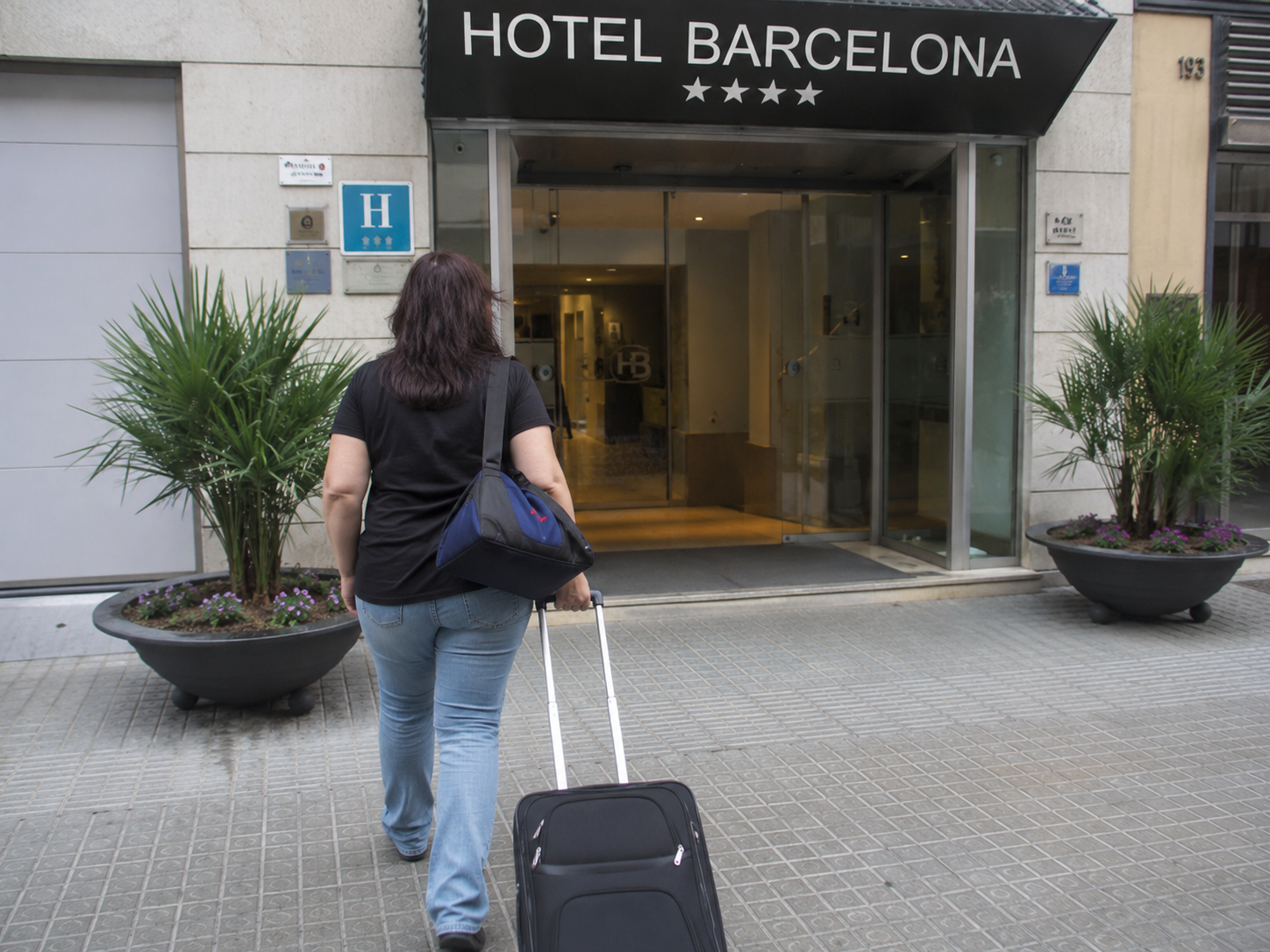
2. Is the hotel entrance well managed?
Yes, notice how the hotel handles arrivals.
When you walk in, look around. Is reception staffed? Are luggage areas supervised? Can anyone wander into lifts or corridors? Does the entrance feel chaotic or controlled?
You do not need to turn into a hotel detective with a tiny notebook. Just pay attention.
If the lobby is busy, keep your bags close. Hotel lobbies are distraction zones.
People are checking in, paying, asking questions, digging out passports, and trying to remember whether they booked breakfast.
Perfect conditions for a suitcase to wander off with someone deeply unhelpful.
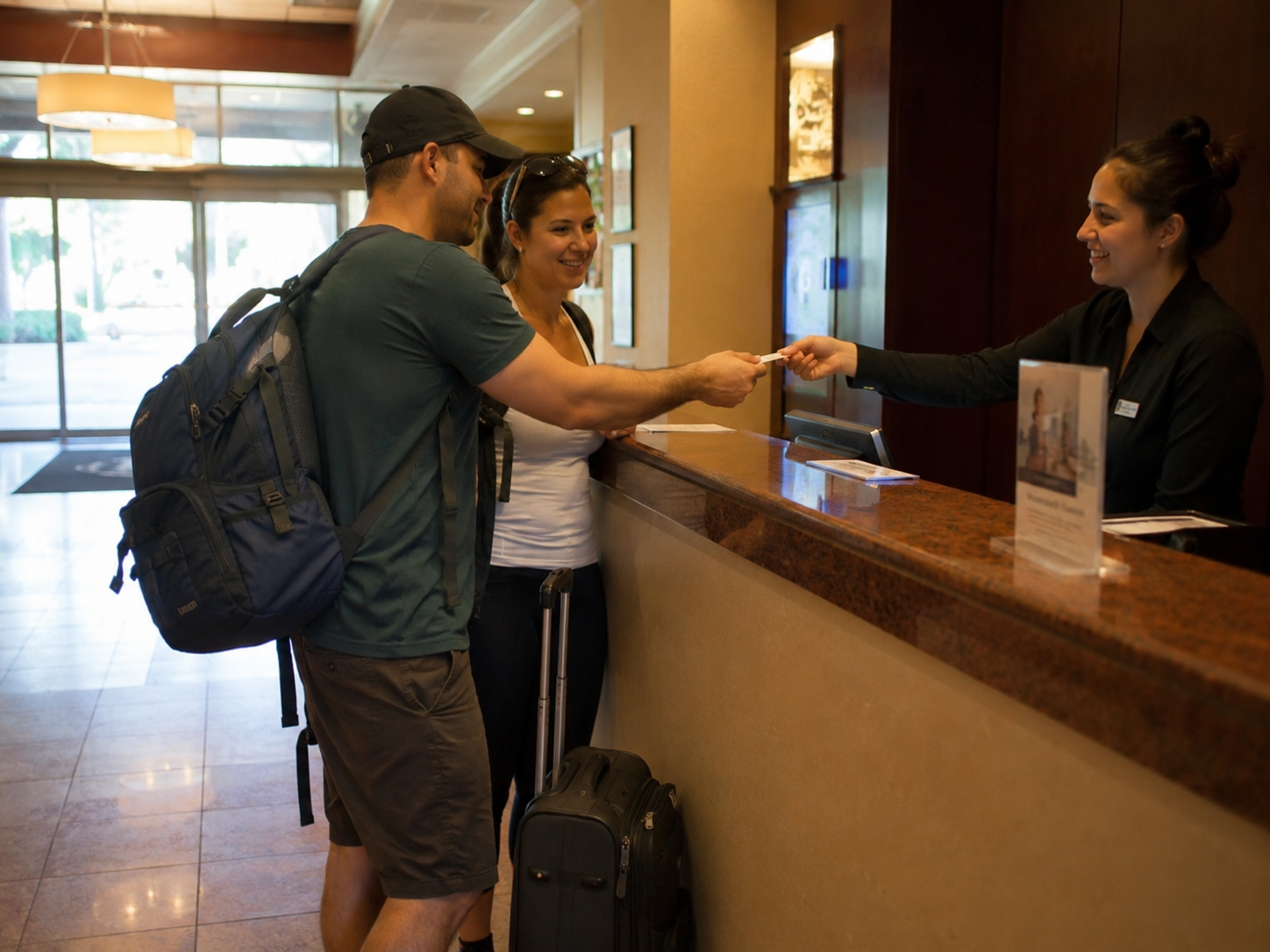
3. Did reception say your room number out loud?
No, your room number should be kept private.
If staff say your room number loudly, politely ask for a different room or ask them to write it down instead. That may sound fussy, but your room number is personal information.
You do not know who is standing nearby. Most people are harmless. Some are not. And some are simply nosy little gremlins.
Keep your room number to yourself, especially if you are travelling alone.
Ready to travel? Get travel insurance that covers families up to ages of 84 with single or annual multi trip options available.
4. Are you keeping your luggage close at check-in?
Yes, keep your luggage within reach while checking in.
This is one of the easiest hotel safety tips to follow. Do not leave bags behind you, off to the side, near the door, or with someone you have just met in the queue.
Keep handbags, backpacks and small cases especially close. Those are often where passports, wallets, medication and electronics live.
If the hotel stores your luggage before check-in or after check-out, ask for a luggage tag or receipt.
My useful link: Does travel insurance cover lost luggage?
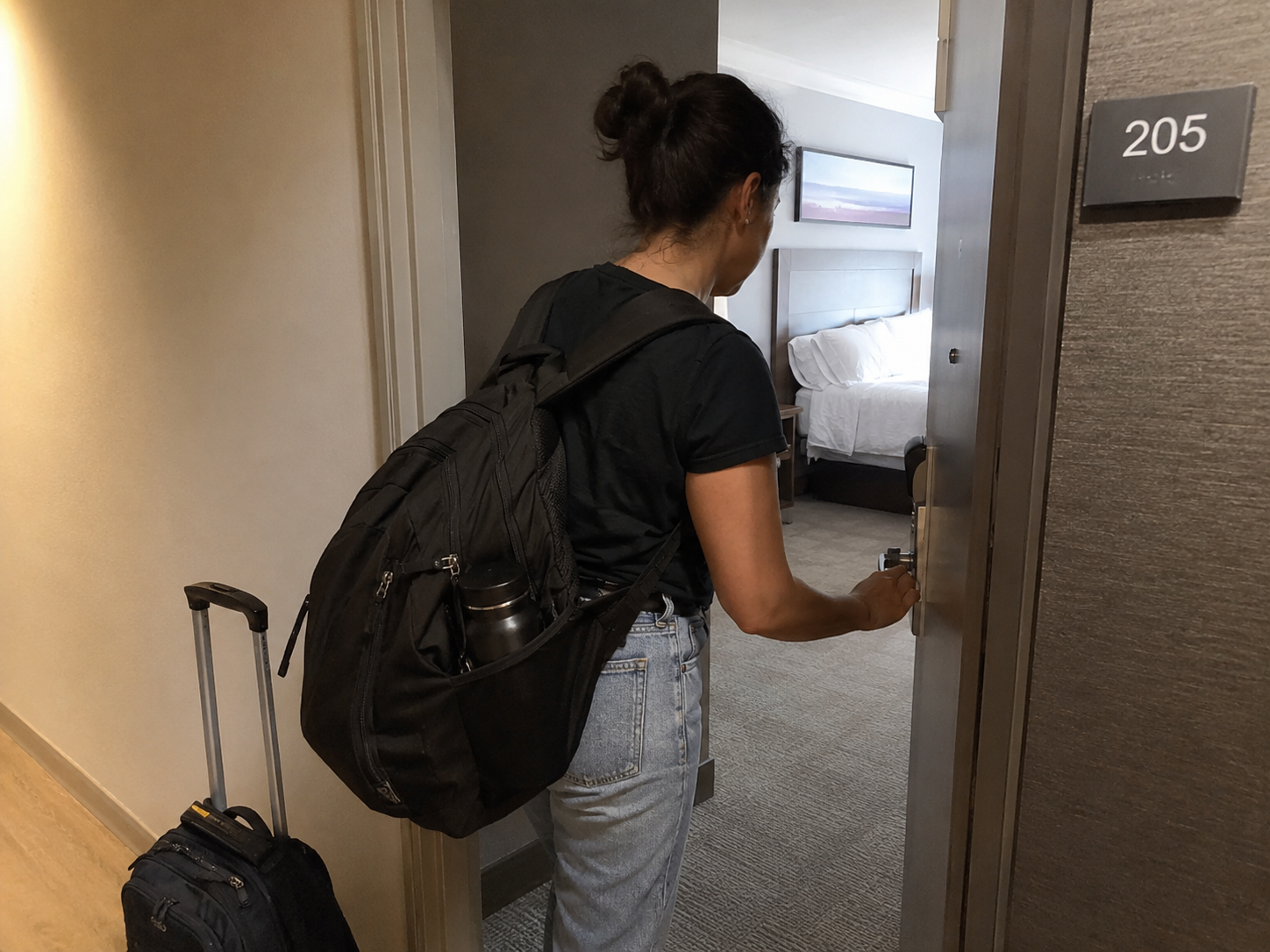
5. Have you checked the room door?
Yes, check that the door closes and locks properly.
Once inside your room, close the door fully and test the lock. Try the deadbolt, chain or security latch if there is one.
If the door does not shut properly, the lock feels loose, or the key card behaves strangely, speak to reception. Do not just shrug and hope the door has good intentions.
A hotel room is not really private if the door is doing interpretive theatre.
Ready to travel? Get travel insurance that covers families up to ages of 84 with single or annual multi trip options available.
6. Do the windows and balcony doors lock?
Yes, check windows and balcony doors too.
This is particularly important on lower floors, in rooms with shared terraces, or anywhere with easy access from outside.
Make sure windows close securely. If there is a balcony, check the door lock. If you are travelling with children, also think about balcony safety and whether furniture is too close to railings.
If something feels unsafe, ask for help or request another room.
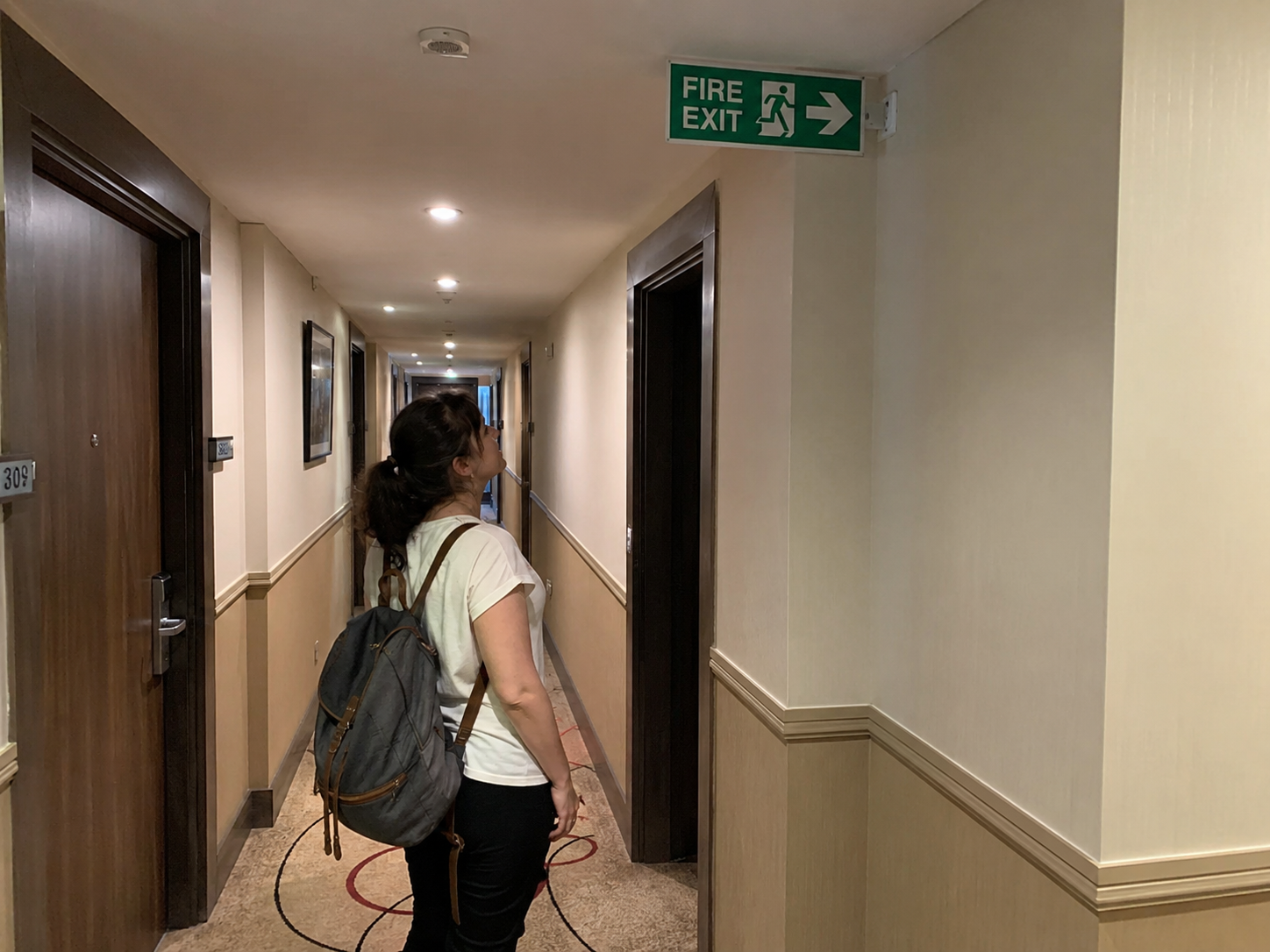
7. Do you know where the fire exits are?
Yes, find the nearest fire exit after you arrive.
I know. Nobody wants to do a little emergency-exit tour after a long journey. But it takes less than a minute.
Look at the evacuation map on the back of the door. Find the nearest exit and a backup route. Check whether the stairs are accessible.
If there is a real emergency, you do not want your first thought to be, “Was the staircase past the ice machine or the sad vending machine?”
Ready to travel? Get travel insurance that covers families up to ages of 84 with single or annual multi trip options available.
8. Have you checked the room quickly?
Yes, give the room a quick safety check.
You do not need to crawl around with a torch like a haunted-house inspector. Just do a quick look around.
Check:
- behind curtains
- the bathroom
- cupboards and wardrobes
- under or around the bed
- connecting doors
- windows and balcony doors
- smoke alarms or safety notices
This is not about being paranoid. It is about making sure the room is as expected before you properly settle in.
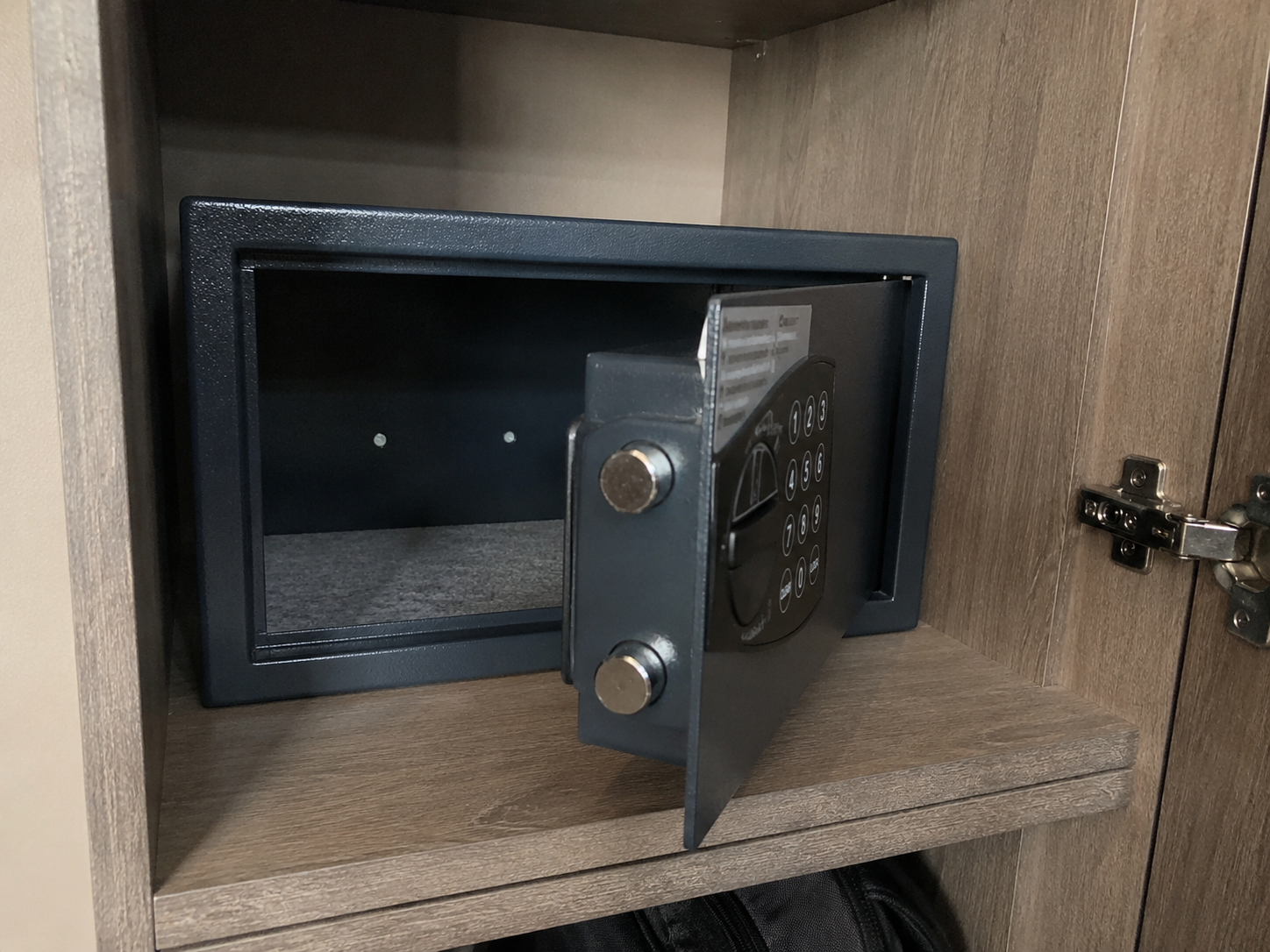
9. Are your valuables secure?
Yes, keep valuables out of sight and locked away where possible.
Passports, money, spare cards, jewellery, electronics and important documents should not be left scattered around the room.
Use the room safe if you trust it. If there is no safe, keep items locked in luggage and avoid leaving valuables visible. For particularly important items, carry them with you only when necessary.
Also take photos or copies of key documents before travelling.
My useful link: Travel safety tips
Ready to travel? Get travel insurance that covers families up to ages of 84 with single or annual multi trip options available.
10. Should you use the “do not disturb” sign?
Yes, it can help make the room look occupied.
A “do not disturb” sign is not a security system, but it can reduce unnecessary interruptions. You can use it when you are in the room or when you go out, depending on the hotel’s policies.
Some travellers also leave a light on or the TV at low volume to make the room seem occupied. That is optional, but the general idea is useful: avoid making it obvious when your room is empty.
Tiny theatre. Sometimes helpful.
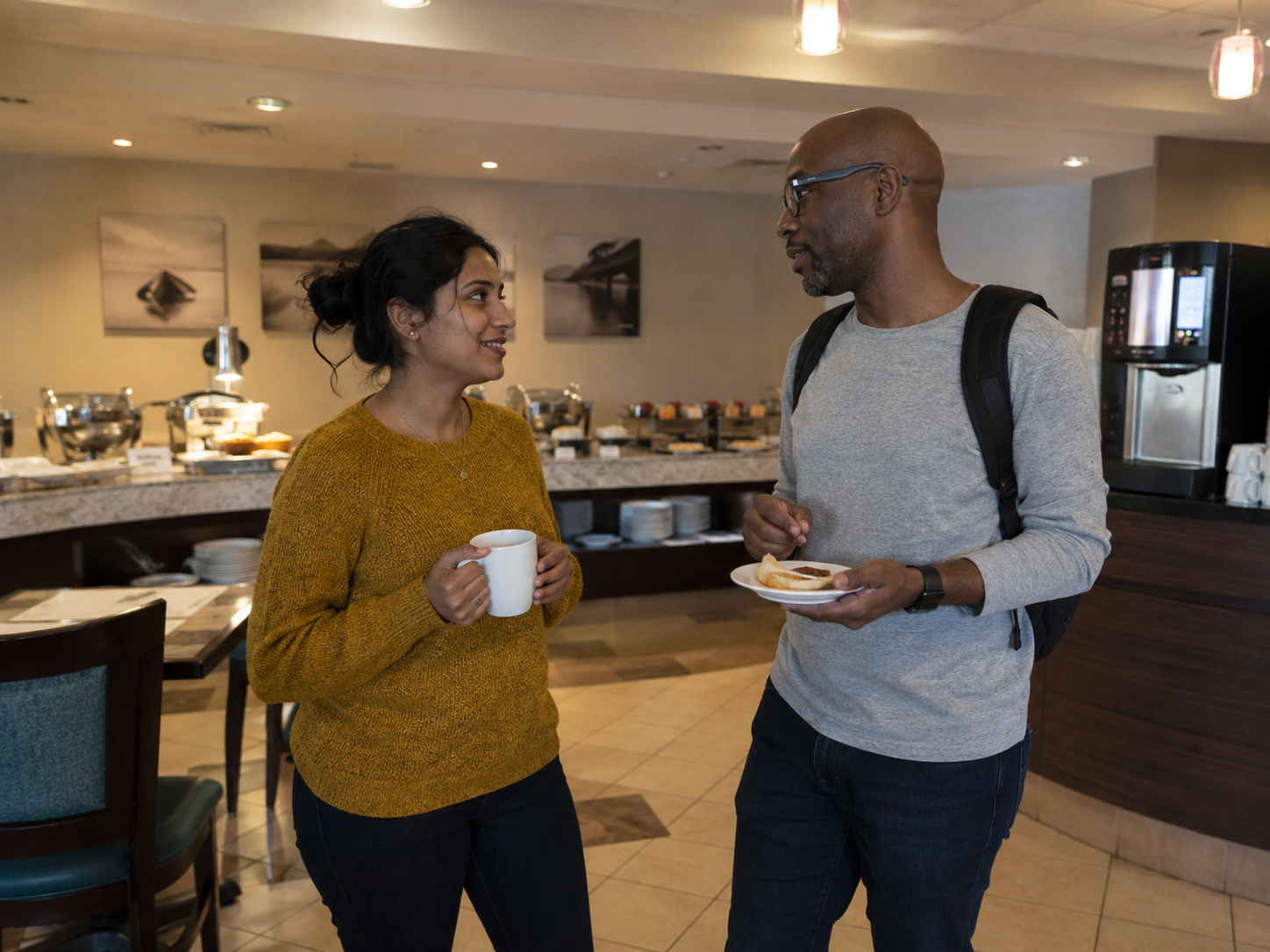
11. Are you careful with strangers?
Yes, meet strangers in public areas, not your room.
If someone claims to be hotel staff, but you did not request anything, call reception before opening the door. Use the room phone or your mobile. Do not rely only on a uniform, badge or confident knock.
If you are meeting a guide, driver, date, new friend or anyone you do not know well, meet in the lobby or another public space.
Your hotel room should stay private. It is not a networking venue. It is where you keep your socks and dignity.
Ready to travel? Get travel insurance that covers families up to ages of 84 with single or annual multi trip options available.
12. Have you checked the room phone and reception contact?
Yes, know how to contact reception quickly.
Check whether the room phone works or save the hotel’s number on your mobile. If something feels wrong, you want to contact staff quickly.
Also check how to reach reception after hours. Smaller hotels, guesthouses and apartments may not have someone at the desk all night.
If you are staying in a self-catering apartment or private rental, make sure you have emergency contact details before you need them.
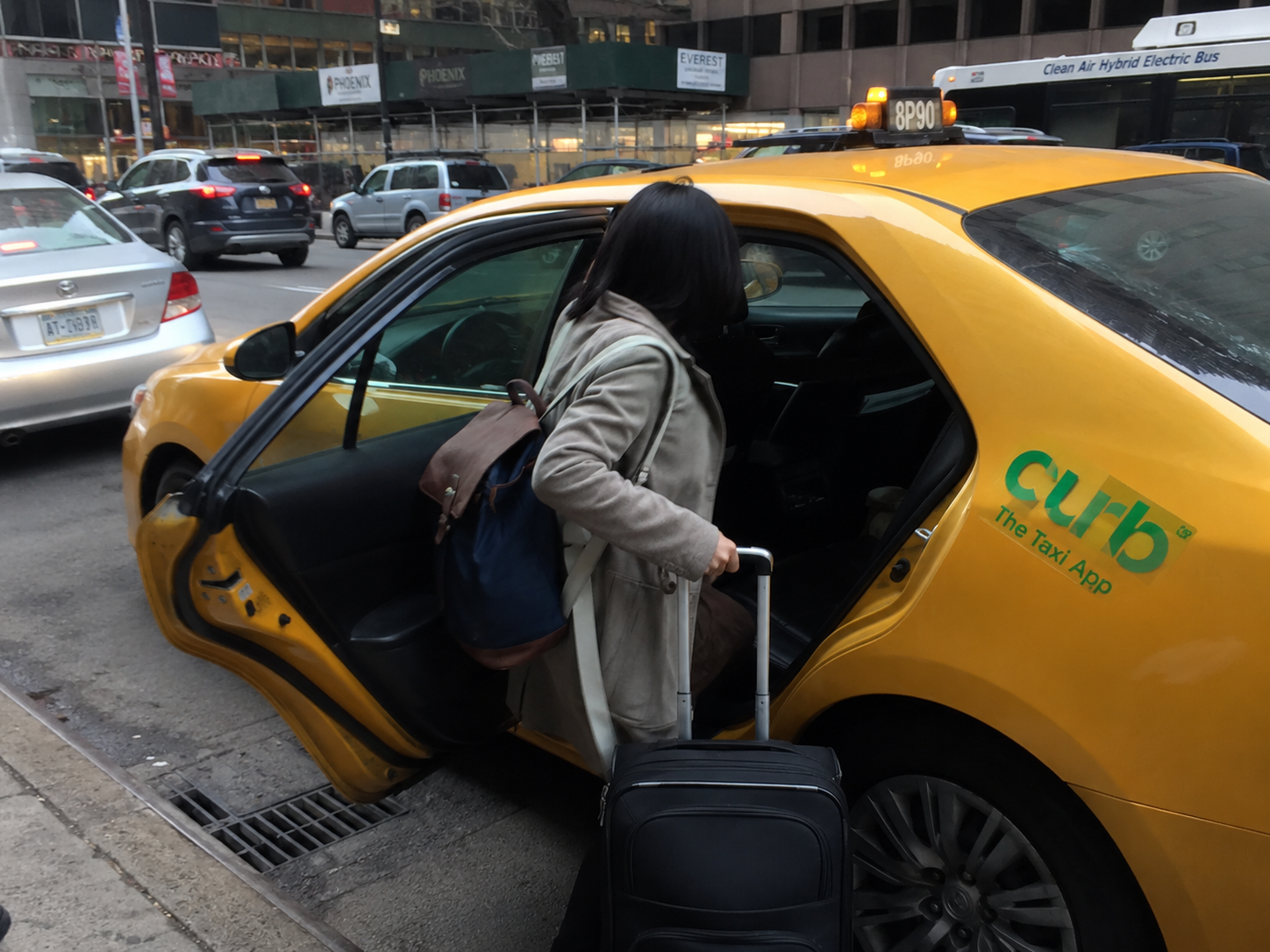
13. Are you using safe transport from the hotel?
Yes, ask the hotel about safe transport options.
Hotels can often recommend official taxis, trusted transfer services, public transport routes or safe walking directions. This is especially useful at night or when you are unfamiliar with the area.
Be cautious if a random driver approaches outside the hotel offering a “better” price. Sometimes that is fine. Sometimes that is the opening scene of a bad travel decision.
Use recognised taxi ranks, ride-hailing apps where appropriate, or transport recommended by the hotel.
Ready to travel? Get travel insurance that covers families up to ages of 84 with single or annual multi trip options available.
14. Do you know what to do if something is stolen?
Yes, report theft quickly and keep written proof.
If something is stolen from your hotel room or hotel property, tell hotel staff and ask for written confirmation. If the item is valuable, important, or needed for a travel insurance claim, report it to the police or relevant local authority as soon as possible.
Keep:
- police reports
- hotel incident reports
- receipts
- proof of ownership
- photos
- correspondence
- replacement cost evidence
Travel insurance claims usually depend on evidence. Vibes are emotionally valid, but claims teams do prefer paperwork.
My useful link: Claims
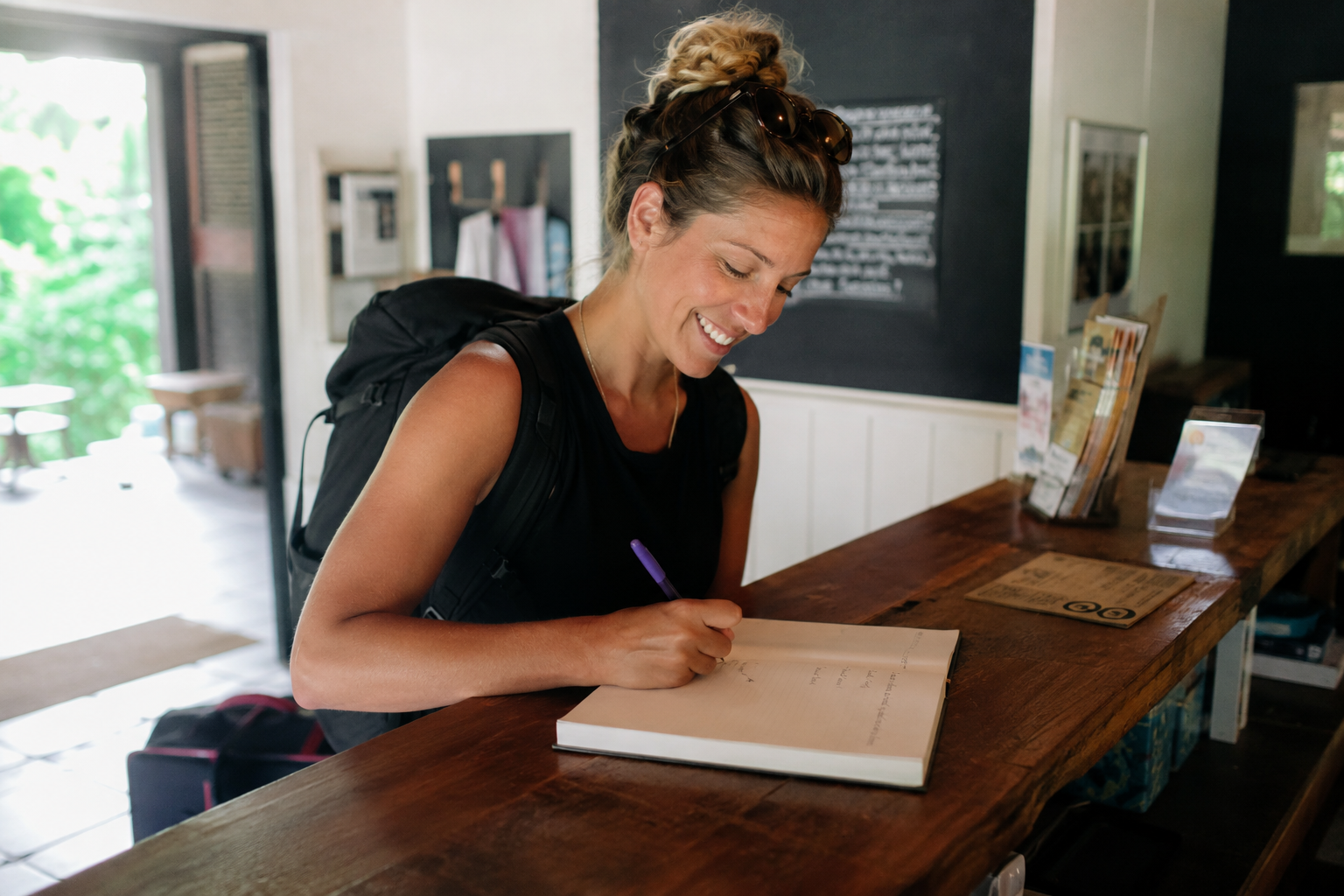
15. Does travel insurance help with hotel problems?
It can, depending on what happened and what your policy covers.
Travel insurance may help with certain problems linked to lost or stolen luggage, emergency medical treatment, cancellation, curtailment or other covered events. It will not cover everything that goes wrong in a hotel.
For example, if you simply dislike the room, choose to move hotels, or leave belongings unattended in a public area, your policy may not help.
The best approach is to buy suitable cover, read the wording, keep evidence and act quickly if something happens.
My useful links: Get an OGSure quote and What OGSure covers
Ready to travel? Get travel insurance that covers families up to ages of 84 with single or annual multi trip options available.
My final thoughts: what is the best hotel safety tip?
The best hotel safety tip is to pay attention when you arrive.
Check the area. Keep your luggage close. Protect your room number. Test the door and window locks. Find the exits. Secure your valuables. Know how to contact reception. Keep evidence if something goes wrong.
None of this needs to take long. It is not about travelling nervously. It is about travelling with your brain politely switched on.
Then you can get on with the important stuff: finding dinner, judging the hotel pillows, and pretending you are only going to use one towel.
My useful link: Travel safety tips
FAQs
What are the most important hotel safety tips?
The most important hotel safety tips are to keep your luggage close, protect your room number, check door and window locks, find the fire exits, secure valuables and know how to contact reception.
Should I ask hotel staff not to say my room number out loud?
Yes, it is sensible to keep your room number private. Ask staff to write it down instead if needed.
How can I keep my luggage safe in a hotel?
Keep luggage close during check-in, use luggage tags or receipts if the hotel stores your bags, and avoid leaving valuables in unattended luggage.
Should I use the hotel safe?
You can use the hotel safe for passports, spare cards, cash and valuables if you trust it. If there is no safe, keep important items locked away and out of sight.
What should I check in a hotel room?
Check the door lock, windows, balcony doors, bathroom, cupboards, curtains, connecting doors, fire exit map and reception contact details.
Are hotel rooms safe for solo travellers?
Many hotel rooms are safe for solo travellers, but it is worth choosing well-reviewed accommodation, keeping your room number private, checking locks and meeting strangers in public areas.
What should I do if something is stolen from my hotel room?
Report it to hotel staff and the police or relevant local authority as soon as possible. Ask for written confirmation and keep receipts or proof of ownership.
Can travel insurance cover theft from a hotel?
It can, depending on the policy wording and circumstances. You will usually need evidence, and exclusions may apply if items were left unattended or unsecured.
Ready to travel? Get travel insurance that covers families up to ages of 84 with single or annual multi trip options available.