
Looking for solo travel safety tips? I know. Solo travel can be brilliant.
You choose the restaurant. You choose the pace. You can spend two hours in a museum, skip lunch for cake, or change plans because a side street looks interesting. No group debate. No itinerary democracy. Beautiful.
But is solo travel safe?
Yes, solo travel can be safe, provided you plan properly, stay aware and make sensible choices before and during your trip. Travelling alone does not mean travelling recklessly. It just means you are the entire committee.
Ready? Let’s roll.
Ready to travel? Get travel insurance that covers families up to ages of 84 with single or annual multi trip options available.
1. Is solo travel safe?
Yes, solo travel can be safe, but it needs more preparation than travelling with others.
When you travel alone, you do not have someone else to watch your bag, sense-check a taxi, notice if you are tired, or remember where the hotel is. Annoying, because that is usually someone else’s job.
So, the goal is simple: make it easier to avoid problems and easier to get help if something goes wrong.
That means checking official travel advice, planning your arrival, securing your documents, sharing your itinerary, and understanding what your travel insurance does and does not cover.
My useful link: Travel safety tips
2. Have you checked the destination properly?
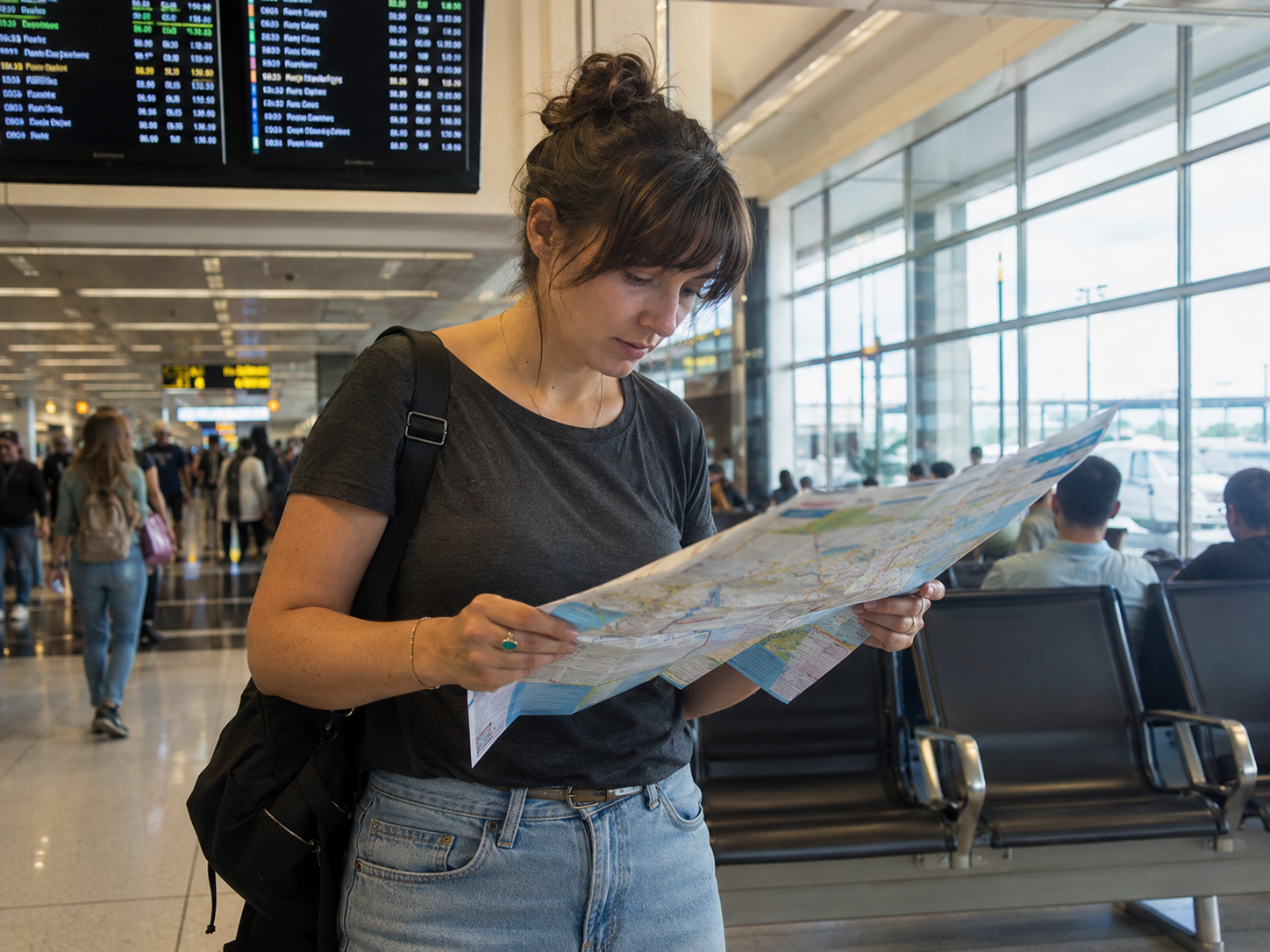
Yes, research your destination before booking and again before you travel.
Look beyond the pretty photos. Check safety advice, local laws, neighbourhoods, scams, transport options, health requirements and cultural expectations.
Some places are perfectly manageable for solo travellers. Others may be safe in certain areas but harder after dark, during protests, or outside tourist zones. The trick is not to panic. It is to know what you are walking into.
Check:
- official travel advice
- local emergency numbers
- common tourist scams
- safe areas to stay
- transport options
- laws and customs
- health requirements
My useful link: Where OGSure covers
3. Have you shared your itinerary?
Yes, tell someone where you are going and when you expect to check in.
This is one of the easiest solo travel safety tips and one of the most useful. Share your flights, accommodation, tour bookings and rough plans with someone you trust.
You do not need to send a minute-by-minute operational briefing. You are not invading a small country. But someone should know where you are meant to be.
Before a day trip or long journey, send a quick message with your plan. If you change accommodation, update them.
If you are going hiking, travelling between cities, or heading somewhere remote, be especially clear.
Ready to travel? Get travel insurance that covers families up to ages of 84 with single or annual multi trip options available.
4. Will you arrive safely?
Yes, plan your arrival before you get there.
Arriving alone in a new place can be the fiddliest part of a trip. You may be tired, carrying luggage, low on phone battery, and trying to decode signs while pretending you know what you are doing.
Before you arrive, check:
- how to get from the airport or station
- official taxi options
- public transport routes
- how long the journey should take
- whether card or cash is needed
- your accommodation address
- check-in instructions
If you land late at night, consider booking a recognised transfer or using official taxis.
The cheapest option is not always the cleverest option. Tiny travel wisdom, annoyingly true.

5. Is your accommodation a safe choice?
Choose accommodation with safety in mind, not just price.
Read recent reviews. Look at the area. Check transport links. Make sure the property has clear check-in instructions and a way to contact staff.
For solo travellers, a cheap room in an awkward area can become expensive in stress. It may be worth paying a little more to stay somewhere central, well-reviewed and easier to reach.
When you arrive, check your door lock, fire exits and how to contact reception or the host. If something feels wrong, trust your instincts. You are allowed to leave. You are not being dramatic. You are being sensible with shoes on.
Ready to travel? Get travel insurance that covers families up to ages of 84 with single or annual multi trip options available.
6. Are your documents backed up?
Yes, keep copies of your important documents.
Make copies of your passport, visa, insurance certificate, booking confirmations, driving licence and emergency contacts. Keep digital copies somewhere secure and a paper copy separate from the originals.
Do not carry your passport everywhere unless you need to. Use a hotel safe where appropriate and carry another form of ID if that is acceptable locally.
If your passport is lost or stolen, having copies will not magically fix everything. But it can make the process much less awful.
7. Is your money split sensibly?
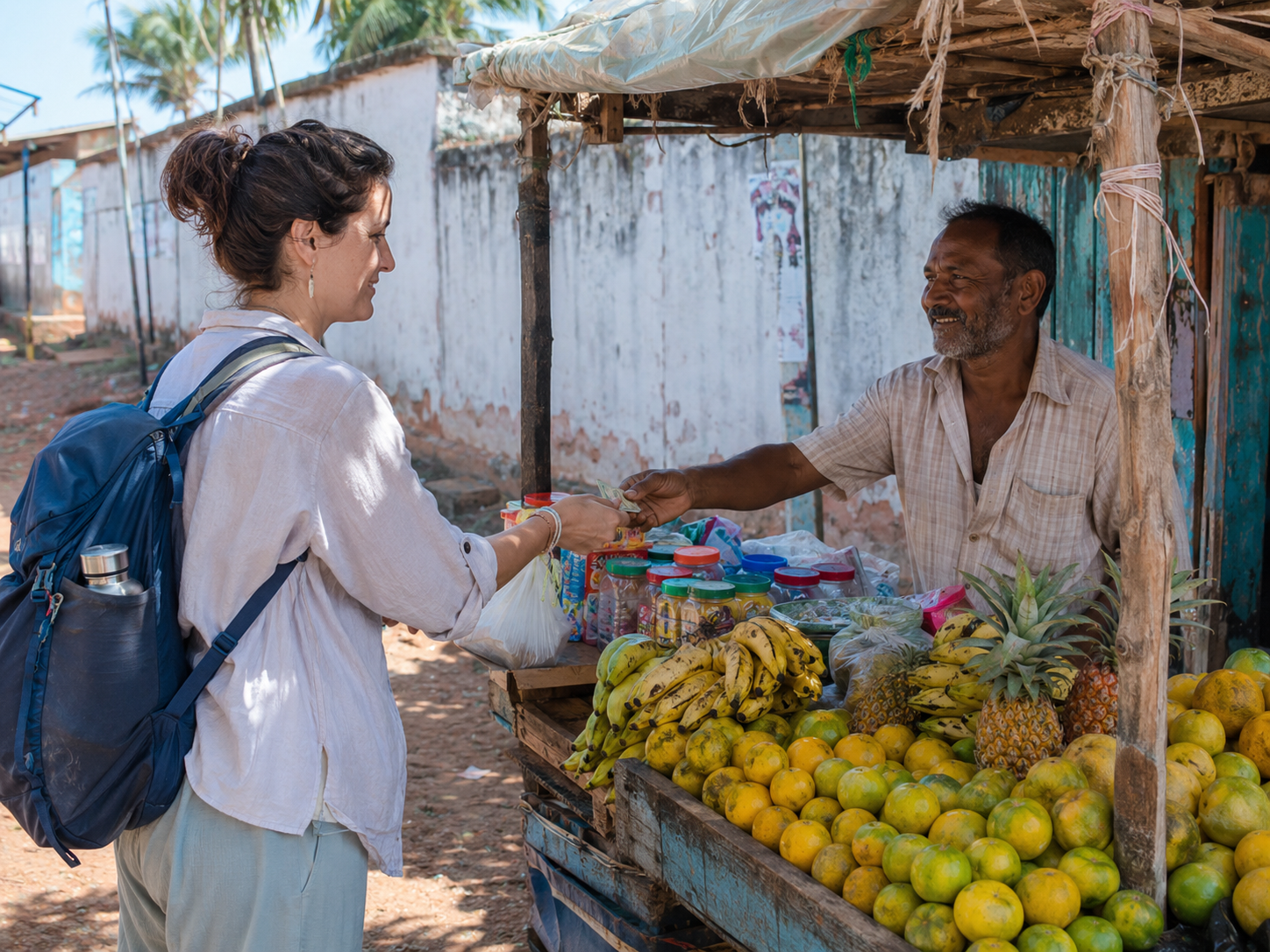
Yes, never keep all your money in one place.
Carry at least two payment methods if possible. Keep one card in your wallet and another stored separately. Have a small amount of emergency cash. Make sure you can access money if one card is blocked, lost or stolen.
Also check card fees before you go. Nothing says “romantic city break” like being quietly mugged by exchange rates.
A simple setup might be:
- main card in your wallet
- backup card in your luggage or hotel safe
- small cash reserve
- emergency payment option on your phone
Ready to travel? Get travel insurance that covers families up to ages of 84 with single or annual multi trip options available.
8. Are you protecting your phone?
Yes, your phone is one of your most important travel safety tools.
It has maps, banking, bookings, emergency contacts, translation apps, tickets and probably far too many photos of pastry. Protect it.
Use a passcode, turn on location tracking, back up important information and carry a portable charger. Download offline maps before travelling, especially if you will be moving around alone.
Be careful using your phone openly in crowded places, near roads, or at outdoor tables.
Phone snatching is common in some tourist areas. Hold it properly, look around, and avoid being the easiest target.
9. Are you moving around safely?
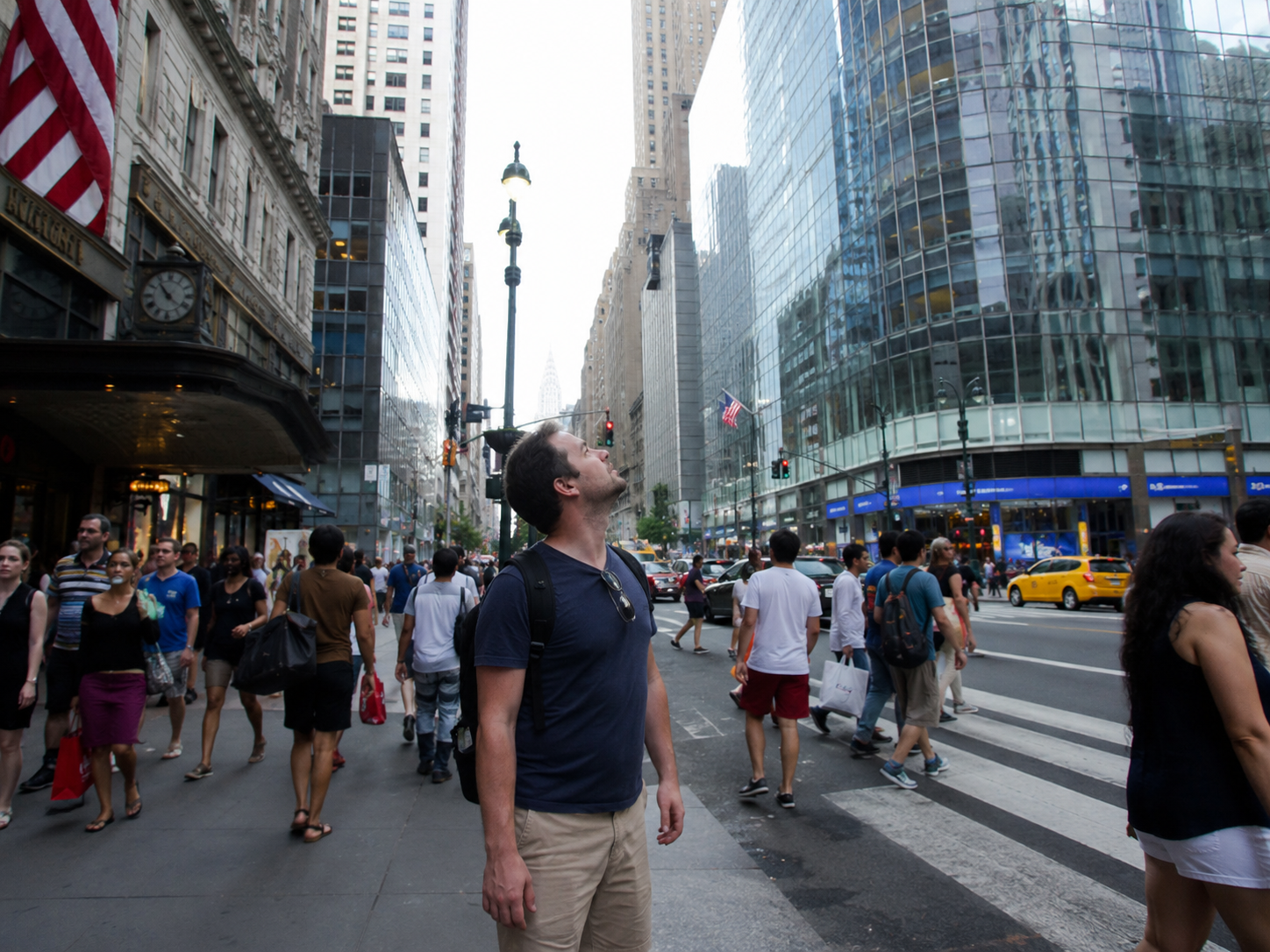
Yes, be deliberate with transport.
Use official taxis, recognised ride-hailing apps, recommended transfer services or well-used public transport. Avoid unlicensed vehicles, especially at night or when you are tired.
If you use public transport, keep bags close and avoid empty carriages late at night. If you are walking, check the route before leaving and avoid poorly lit shortcuts unless you know the area.
For longer journeys, tell someone when you leave and when you expect to arrive. This is not paranoia. It is admin with a survival hat.
Ready to travel? Get travel insurance that covers families up to ages of 84 with single or annual multi trip options available.
10. Are you keeping valuables secure?
Yes, keep valuables close and avoid advertising what you are carrying.
Pickpockets like distracted travellers. They love open bags, back pockets, café tables and people watching street performers with their phone half-hanging out of their hand.
Use a crossbody bag, zipped pockets or a secure day bag. Keep passports, wallets and phones close in crowds. Avoid leaving bags unattended, even briefly.
And no, the chair beside you at a café is not a security system. It is furniture with delusions of authority.
My useful link: Does travel insurance cover lost luggage?
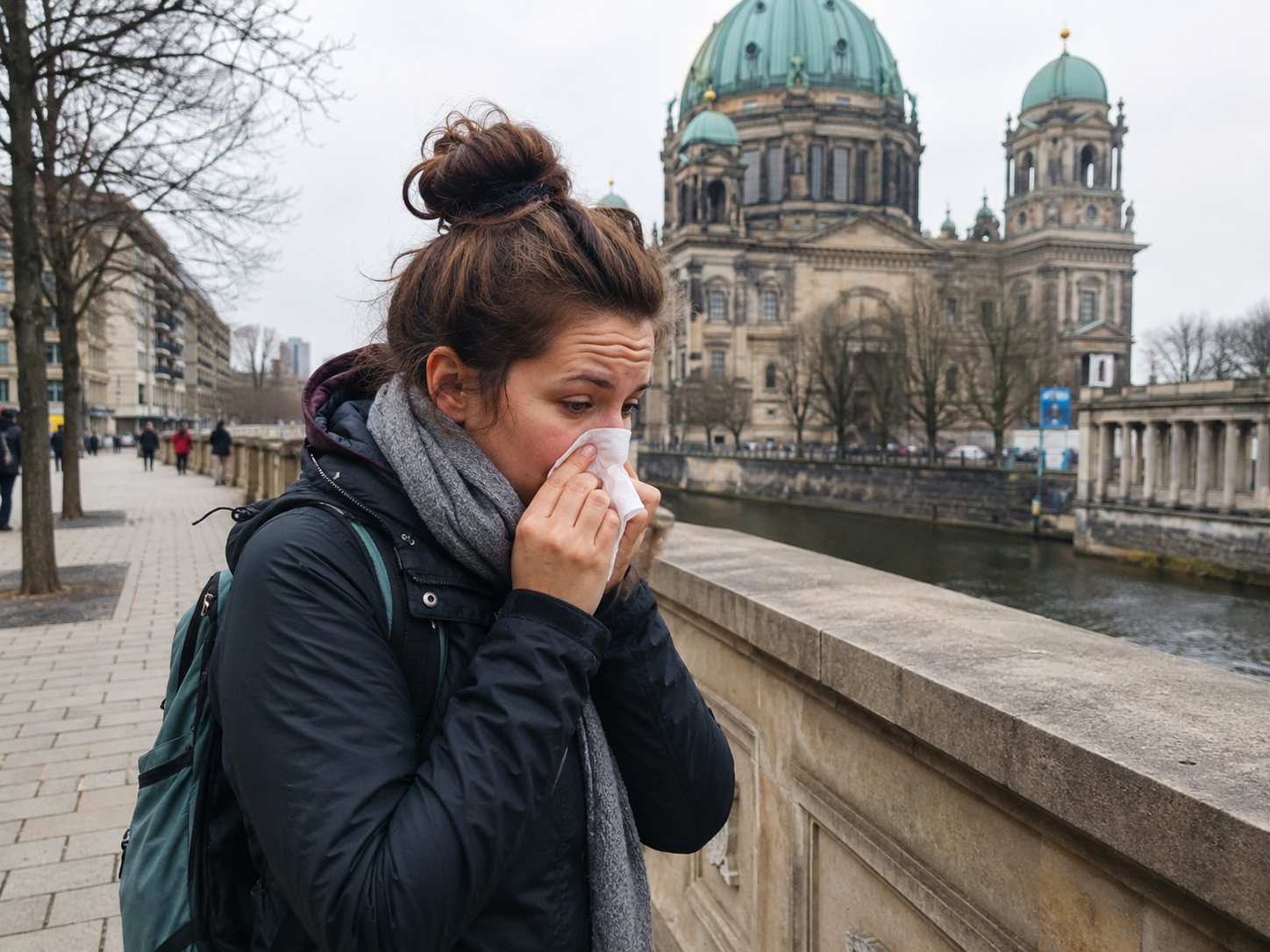
11. Have you prepared for health issues?
Yes, pack medication and basic health items carefully.
If you take regular medication, pack enough for the whole trip and some extra in case of delays. Keep it in your hand luggage and in original packaging where possible. Carry copies of prescriptions if needed.
You should also check whether your medication is allowed in the country you are visiting. Some medicines that are ordinary at home may be restricted elsewhere.
Pack a small travel health kit with basics like plasters, pain relief, rehydration salts, stomach medication, sunscreen and anything personal to your health needs.
My useful link: Pre-existing medical conditions
Ready to travel? Get travel insurance that covers families up to ages of 84 with single or annual multi trip options available.
12. Do you need travel insurance for solo travel?
Yes, travel insurance is sensible for solo travellers.
When you travel alone, you may not have someone with you to help manage a problem. Travel insurance can help with certain unexpected events, depending on the policy wording.
That may include emergency medical treatment, repatriation, cancellation, delayed baggage, lost luggage or travel disruption.
The important bit is choosing cover that matches your trip.
Check:
- destination
- trip length
- activities
- age limits
- exclusions
- medical conditions
- emergency assistance details
- baggage and document cover
OGSure provides travel insurance for eligible travellers, subject to policy terms, conditions and exclusions.
My useful links: Get an OGSure quote and What OGSure covers
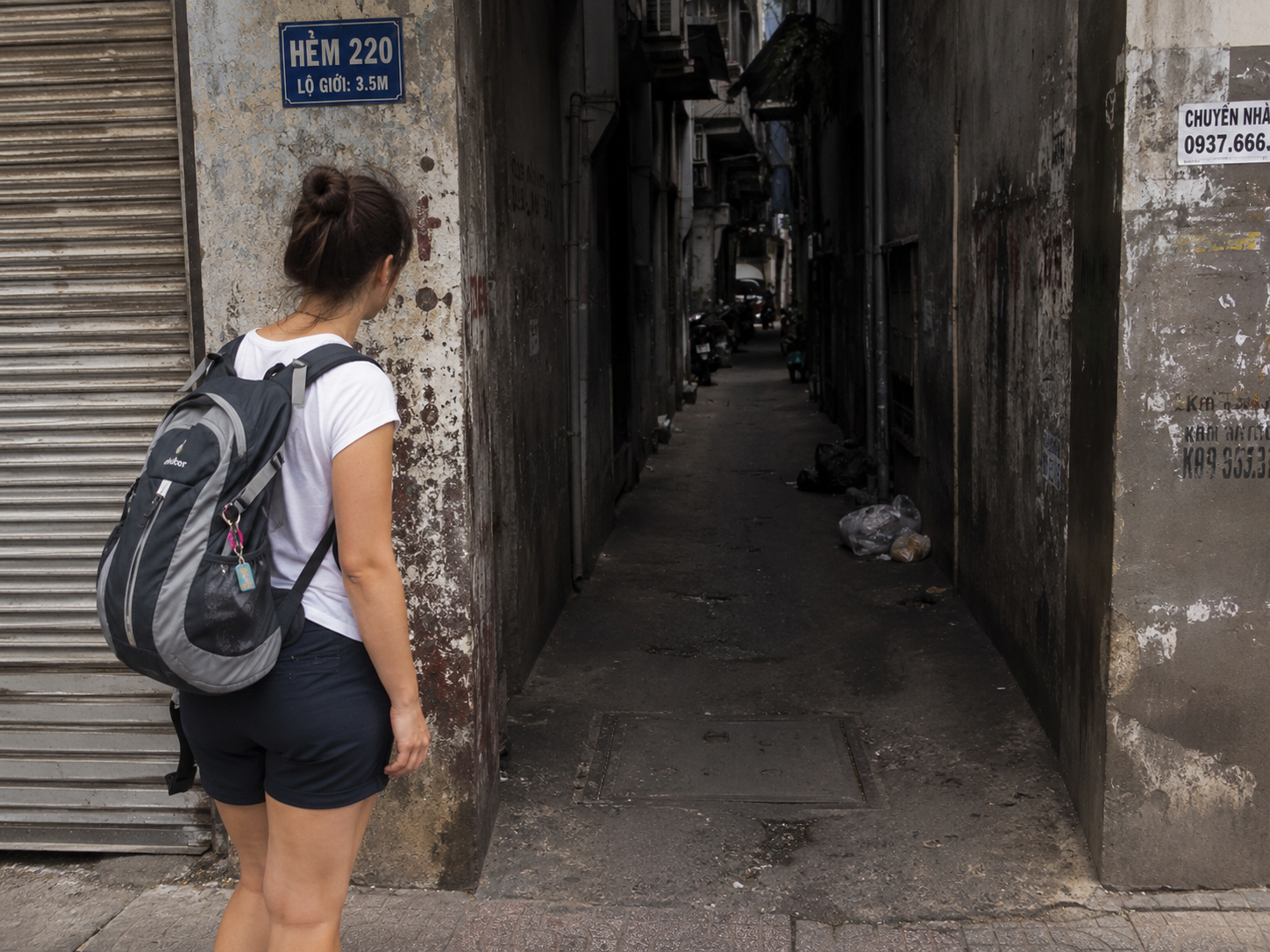
13. Do you trust your instincts?
Yes, listen to your instincts when something feels off.
This is not fluffy advice. Your brain is constantly noticing tiny details before you can explain them.
If a street feels wrong, leave. If someone is too interested in your plans, be vague.
If a taxi situation feels strange, step away. If a bar, hostel, date, tour or group makes you uncomfortable, you are allowed to remove yourself.
You do not owe strangers your full itinerary, hotel name, relationship status or politeness when you feel unsafe.
Be friendly. Be open. Enjoy the trip. Just keep a little bit of your brain on duty.
Ready to travel? Get travel insurance that covers families up to ages of 84 with single or annual multi trip options available.
My final thoughts: should you travel alone?
Yes, if you want to, solo travel can be absolutely worth it.
It can be freeing, confidence-building and deeply fun. You get to choose your own rhythm, follow your curiosity and discover what kind of traveller you are when nobody else is voting on lunch.
But solo travel works best when you prepare properly. Check the destination. Share your plans. Choose safe transport. Protect your documents. Keep your money split. Buy suitable travel insurance. Trust your instincts.
Then go enjoy the adventure.
My useful link: Get an OGSure quote
FAQs
Is solo travel safe?
Solo travel can be safe if you plan carefully, check official travel advice, choose accommodation wisely, stay aware and know how to get help if something goes wrong.
What are the best solo travel safety tips?
The best solo travel safety tips are to share your itinerary, plan your arrival, protect your documents, split your money, use safe transport and trust your instincts.
Should I buy travel insurance for solo travel?
Yes, it is sensible to consider travel insurance for solo travel. Make sure the policy fits your destination, trip length, activities and personal circumstances.
How do I stay safe in a hotel when travelling alone?
Choose well-reviewed accommodation, check the area, lock your door, know the exits, and contact staff if anything feels wrong.
Should I tell people I am travelling alone?
Be careful who you tell. It is fine to be friendly, but avoid sharing your full itinerary, accommodation details or plans with people you have just met.
How can I keep money safe while travelling alone?
Use more than one payment method, keep cards in separate places, carry a small cash reserve and avoid keeping everything in one wallet or bag.
What should I do if I get ill while travelling alone?
Seek medical help first. For serious illness, hospital treatment, medical evacuation or repatriation, contact your insurer’s emergency assistance provider as soon as possible.
Is solo travel safe for older travellers?
It can be, provided the trip suits your health, mobility, destination, activities and insurance cover. Plan realistic timings and keep medication and emergency contacts close.
Ready to travel? Get travel insurance that covers families up to ages of 84 with single or annual multi trip options available.