
Looking for some expert travel safety tips before you go? I know.
Travel is brilliant. It is also where tiny problems grow little legs and sprint straight into your itinerary.
A missing passport. A dodgy taxi. A suitcase that decides to holiday somewhere else. A hotel safe you forgot existed. A phone battery that dies just as you need directions. Travel has range.
The good news? Most travel problems are easier to handle if you do a few simple checks before you go.
This is not about turning your holiday into a military operation. Nobody wants to laminate a spreadsheet before going for a beach walk. It is about making sensible, low-effort decisions that help you travel with more confidence.
Ready? Let’s roll.
Ready to travel? Get travel insurance that covers families up to ages of 84 with single or annual multi trip options available.
1. Have you checked the latest travel advice?
Yes, check official travel advice before you book and again before you travel.
Travel advice can change. Entry rules, safety warnings, health risks, local laws and regional restrictions may all affect your trip.
Before you go, check the official travel advice for your destination.
For UK travellers, the Foreign, Commonwealth & Development Office is the sensible starting point. If your country of residence is elsewhere, use your own government’s travel advice too.
This is especially important if you are travelling somewhere unfamiliar, taking children, going on a cruise, or visiting several countries in one trip.
My useful link: Where OGSure covers
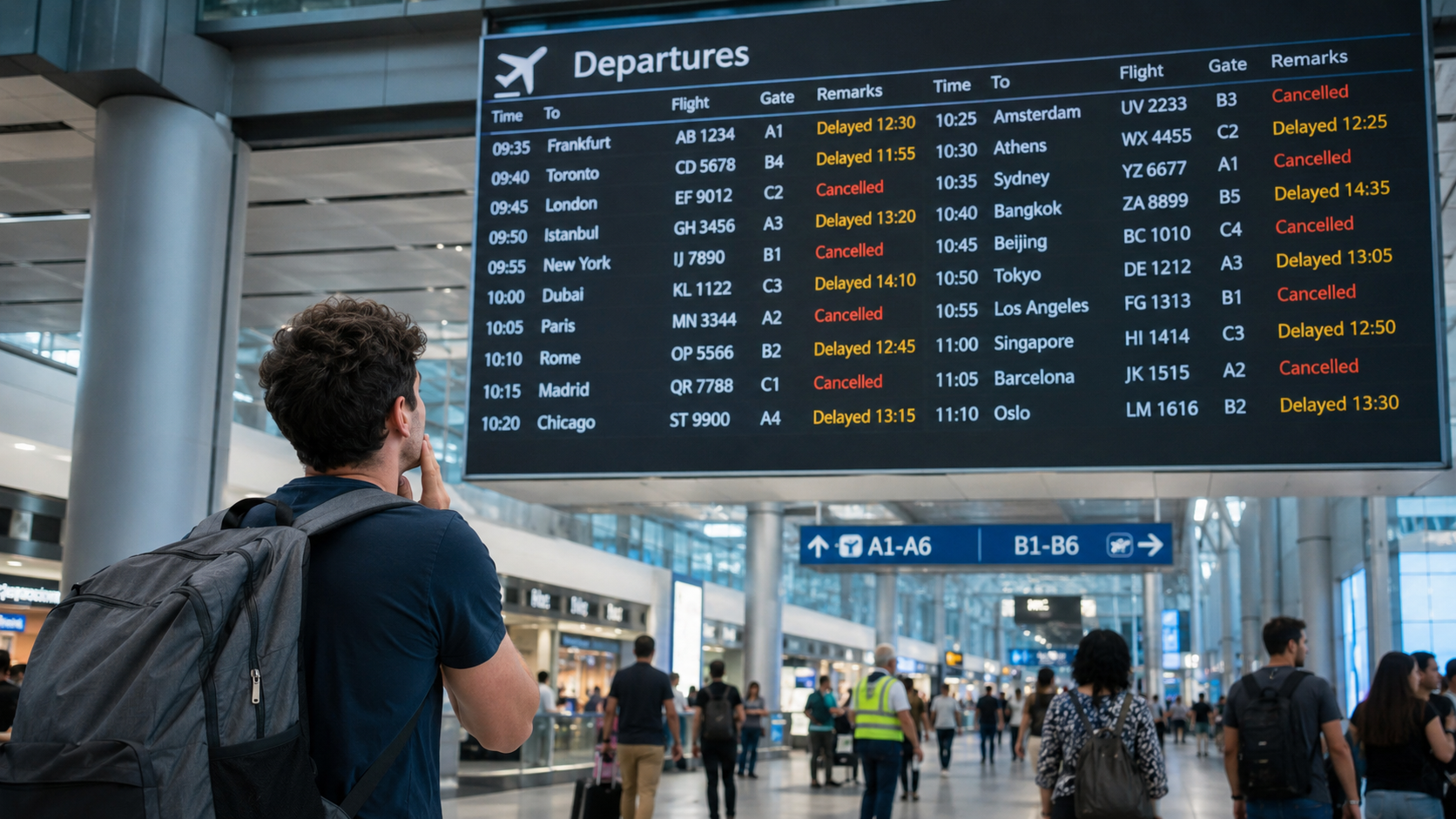
2. Are your passport and visas sorted?
Yes, check your passport, visa and entry rules early.
This is the boring check that can ruin the entire trip if you ignore it. Some countries require your passport to be valid beyond your travel dates. Others need visas, entry forms, travel authorisations or proof of onward travel.
Do not leave this until the night before departure unless you enjoy panic as a lifestyle choice.
Check:
- passport expiry dates
- visa requirements
- entry forms
- transit rules
- child travel permissions
- passport names matching tickets
If anything looks even slightly wrong, sort it early.

3. Have you bought travel insurance?
Yes, travel insurance should be part of your safety checklist.
Travel insurance cannot stop things from going wrong. It is not a magical forcefield. Deeply rude, frankly.
But it can help when something unexpected happens, depending on the policy wording. That might include emergency medical treatment, repatriation, cancellation, lost luggage, travel delay or other covered events.
Buy cover soon after booking your trip, then read the wording. Make sure the destination, dates, travellers and activities match your actual plans.
My useful links: Get an OGSure quote and What OGSure covers
Ready to travel? Get travel insurance that covers families up to ages of 84 with single or annual multi trip options available.
4. Do you understand the medical rules?
Yes, check health requirements and medical exclusions before you travel.
Travel safety is not only about crime or lost bags. Health matters too.
Check whether you need vaccinations, medication, travel health advice or documents for your destination. If you take regular medication, pack enough for the trip and keep it in your hand luggage where possible.
You should also understand how your travel insurance treats pre-existing medical conditions. Some policies may screen and consider them. Others may exclude claims linked to them.
OGSure does not cover claims arising directly or indirectly from pre-existing medical conditions, so it is important to read this before relying on cover.
My useful link: Pre-existing medical conditions
5. Have you saved emergency contacts?
Yes, keep emergency contacts somewhere easy to find.
Do not rely only on your phone. Phones get lost, stolen, cracked, drowned and emotionally abandoned at the worst possible time.
Save:
- local emergency numbers
- your insurer’s emergency assistance details
- your accommodation address
- your airline or tour provider contact
- your embassy or consulate details
- a trusted contact at home
Keep a digital copy and a paper copy. Yes, paper. Old-school, mildly crinkled, extremely useful paper.
My useful link: Emergency assistance
Ready to travel? Get travel insurance that covers families up to ages of 84 with single or annual multi trip options available.
6. Have you copied your documents?
Yes, make copies of important travel documents.
Keep copies of your passport, insurance certificate, booking confirmations, visas, driving licence and emergency contacts.
Store them securely online and keep a physical copy separate from the originals. If your bag is stolen or your passport goes missing, having copies can make the recovery process much less painful.
This is also useful for family trips, where one organised adult often becomes the keeper of everyone’s documents. A noble but cursed role.
7. Is your money split safely?
Yes, avoid keeping all your money in one place.
Carry more than one payment method if possible. Keep a main card, a backup card and a small amount of local cash. Do not keep everything in one wallet or bag.
A sensible split might be:
- one card in your wallet
- one card in your luggage or hotel safe
- emergency cash in a separate pouch
- digital payment set up on your phone
Also tell your bank you are travelling if needed, and check any card fees before you go.
Ready to travel? Get travel insurance that covers families up to ages of 84 with single or annual multi trip options available.
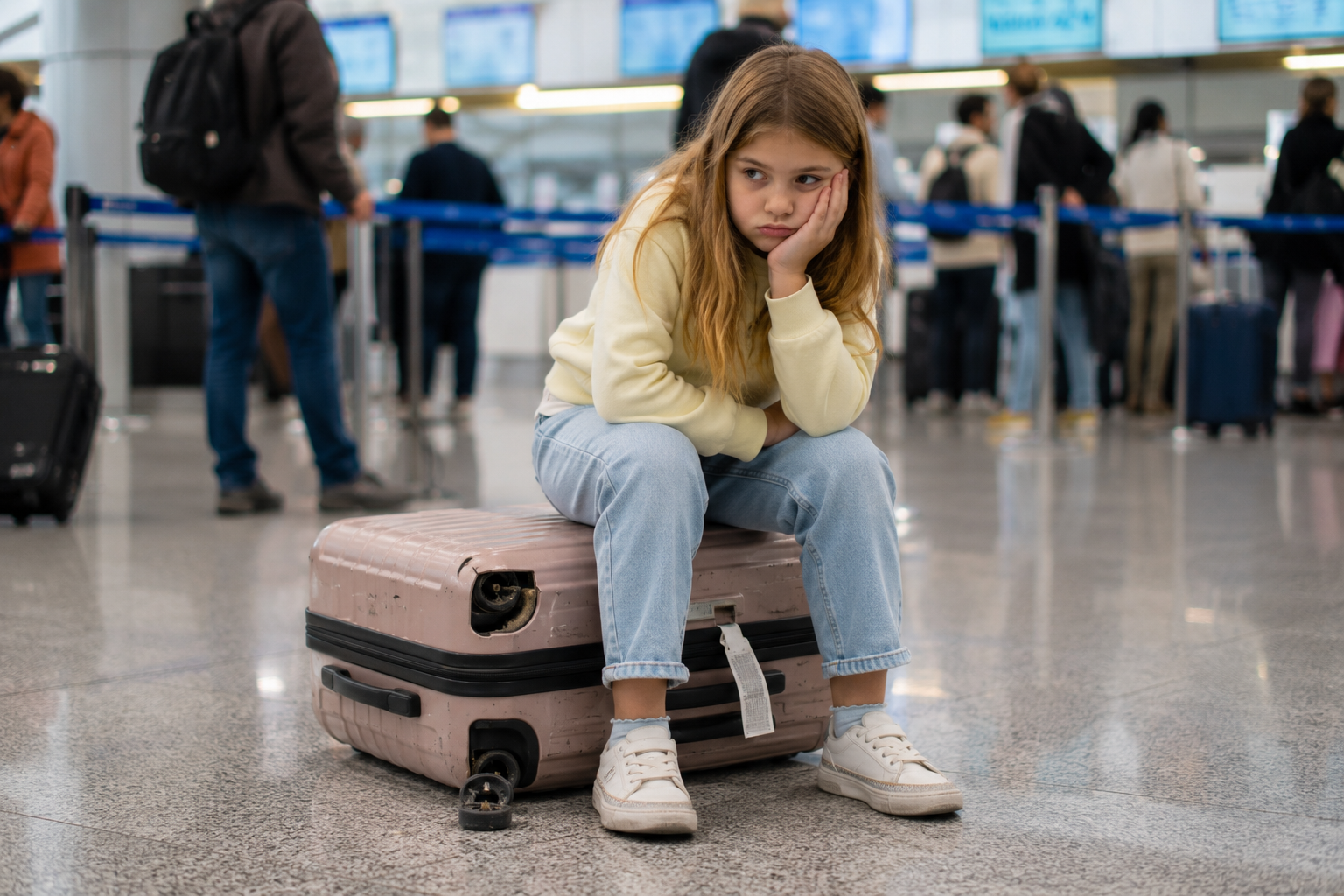
8. Are your bags easy to identify?
Yes, make your luggage easy to spot and harder to mix up.
Add a luggage tag with your name and contact details. Put contact details inside the bag too, just in case the outer tag comes off.
Take a quick photo of your suitcase before you travel. If your bag is delayed, damaged or lost, a photo can help describe it to the airline or travel provider.
For checked luggage, keep valuables, medication, chargers and important documents in your hand luggage.
My useful link: Does travel insurance cover lost luggage?
9. Are your valuables actually secure?
Yes, keep valuables close or locked away.
Do not leave passports, wallets, phones, cameras or cash unattended. Use hotel safes where available, and keep important items close when moving through airports, stations, markets and tourist areas.
Be careful with open bags, back pockets and phones placed casually on café tables. Pickpockets do not need drama. They love convenience. Lazy villains, but effective.
The trick is not to look terrified. Just make yourself slightly less easy to target.
Ready to travel? Get travel insurance that covers families up to ages of 84 with single or annual multi trip options available.
10. Have you planned your arrival?
Yes, know how you will get from the airport, station or port to your accommodation.
The arrival stage is when people are tired, distracted and carrying everything they own. It is also when scams, overcharging and confusion can happen.
Before you arrive, check:
- official taxi options
- airport transfer routes
- public transport times
- your hotel address
- payment methods
- expected journey time
If you arrive late at night, consider pre-booking a transfer or using a recognised taxi service.

11. Will you use safe transport?
Yes, transport safety is one of the most important travel checks.
Road rules, driving standards and vehicle safety can vary widely between countries. Be cautious with scooters, quad bikes, informal taxis, overloaded boats and unfamiliar roads.
Always wear seatbelts where available. Use child seats if travelling with young children. Avoid driving tired or after drinking. And if a vehicle looks unsafe, trust your instincts.
That “it’ll probably be fine” feeling is sometimes your brain wearing a tiny clown hat.
Ready to travel? Get travel insurance that covers families up to ages of 84 with single or annual multi trip options available.
12. Have you checked local laws and customs?
Yes, know the basic rules before you go.
Local laws can be very different from what you are used to. Something legal or casual at home may be illegal or offensive elsewhere.
Check rules around:
- alcohol
- medication
- dress codes
- drones
- public behaviour
- driving
- photography
- religious sites
- cultural customs
This is not about being nervous. It is about being respectful and avoiding avoidable trouble.

13. Are your activities covered?
Yes, check planned activities before you book them.
A gentle city break is one thing. Hiking, skiing, scuba diving, kayaking, biking, cruises and adventure excursions can be another.
If your trip includes activities, check whether your travel insurance covers them as standard or whether you need an optional upgrade. Also use reputable providers, read reviews and check safety equipment before saying yes.
My useful link: What OGSure covers
Ready to travel? Get travel insurance that covers families up to ages of 84 with single or annual multi trip options available.
14. Do you have a family safety plan?
Yes, families should agree a simple plan before travelling.
If you are travelling with children, older relatives or a bigger group, agree what to do if someone gets separated.
Keep it simple:
- choose a meeting point
- make sure children know the hotel name
- write down emergency contacts
- keep phones charged
- use wristbands or cards for younger children
- agree who carries key documents
For multi-generational trips, also think about medication, mobility, rest breaks and realistic timings. The fastest walker is not automatically in charge. Especially if they are wrong. Which they often are.
My useful link: Can you get travel insurance for the whole family?
15. Have you checked what to do if something goes wrong?
Yes, know the first steps before you need them.
If something happens, slow down and collect evidence. If luggage is lost, report it to the airline or carrier. If something is stolen, report it to the police. If you need medical help, contact emergency assistance as soon as possible.
Keep receipts, reports, booking confirmations, medical notes and written proof from airlines, hotels or transport providers.
Travel insurance claims usually depend on evidence. Vibes are emotionally valid, but insurers do prefer documents.
My useful link: Claims
Ready to travel? Get travel insurance that covers families up to ages of 84 with single or annual multi trip options available.
My final thoughts: what is the best travel safety tip?
The best travel safety tip is to prepare before you go.
You do not need to overthink every possible disaster. You just need to make the obvious checks: documents, money, health, insurance, transport, luggage, emergency contacts and local rules.
Do that, and you are already ahead of most travellers.
Then go enjoy the trip. Eat the strange pastry. Take the scenic route. Get slightly lost in a pretty old town. Buy the fridge magnet you absolutely do not need.
Just do it with your passport somewhere safe.
My useful link: Get an OGSure quote
FAQs
What are the most important travel safety tips?
The most important travel safety tips are to check official travel advice, keep documents safe, buy suitable travel insurance, protect your money, use safe transport and know what to do in an emergency.
Should I buy travel insurance before travelling?
Yes, it is usually sensible to buy travel insurance soon after booking your trip, so you can check the policy and understand what is covered before you go.
How can I keep my passport safe while travelling?
Keep your passport secure, use a hotel safe where appropriate, carry a copy separately, and avoid leaving it in unattended bags or public places.
How can families stay safe on holiday?
Families can stay safer by agreeing meeting points, keeping emergency contacts handy, checking medical needs, carrying documents securely and making sure every traveller is covered correctly.
What should I do if my luggage is stolen?
Report stolen luggage to the police or relevant local authority as soon as possible. Keep written evidence and contact your travel insurer if you believe you may have a claim.
What should I do if I get ill abroad?
Seek medical help first. If it is serious or may involve hospital treatment, medical evacuation or repatriation, contact your insurer’s emergency assistance provider as soon as possible.
Are adventure activities covered by travel insurance?
It depends on the activity and the policy. Some activities may be covered as standard, while others may need an optional upgrade or may be excluded.
What should I check before travelling abroad?
Check your passport, visas, travel advice, health requirements, travel insurance, accommodation details, emergency contacts, payment methods and transport plans.
Ready to travel? Get travel insurance that covers families up to ages of 84 with single or annual multi trip options available.